
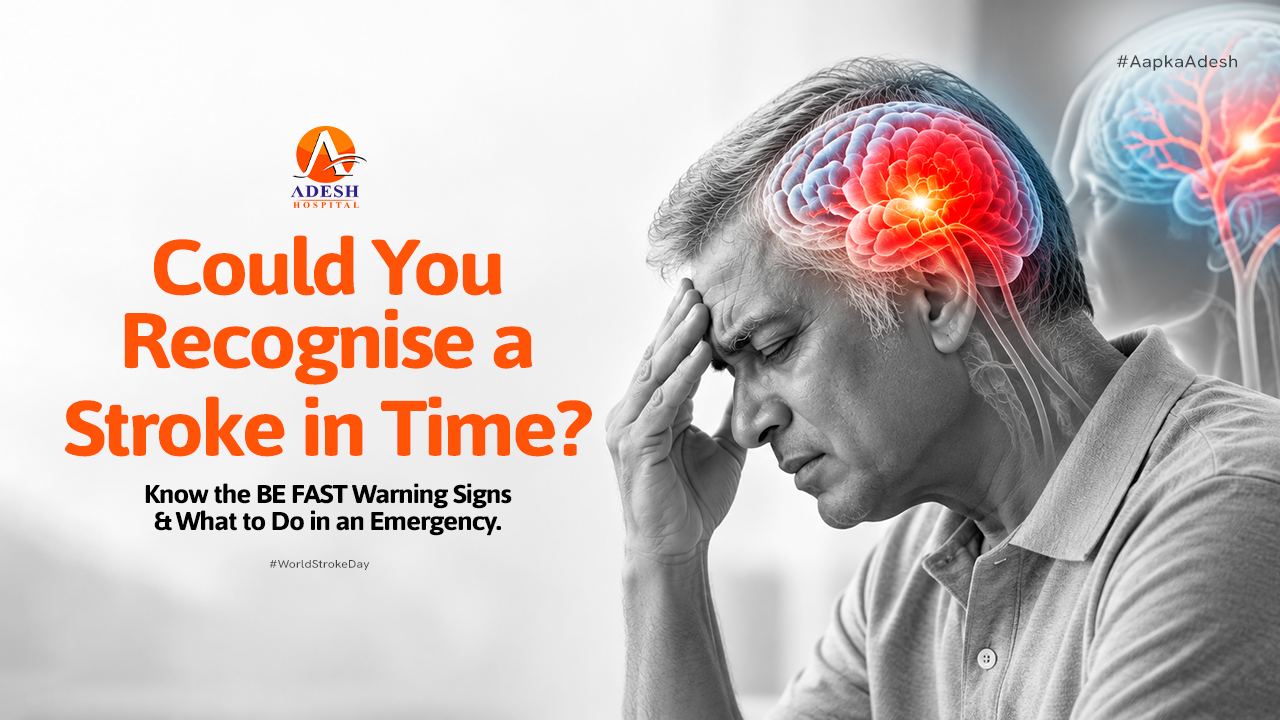
A stroke can affect a person’s ability to speak, walk, see or move within minutes. Recognising the warning signs and seeking immediate medical attention can help reduce the risk of serious complications and long-term disability.
Stroke is a medical emergency that occurs when blood flow to part of the brain is interrupted or a blood vessel in the brain ruptures. Without sufficient oxygen, brain cells can begin to suffer damage within minutes.
Although stroke is more common among older adults, it can occur at any age. Understanding its symptoms, risk factors and preventive measures is important for everyone.
What Are the Different Types of Stroke?
There are two main types of stroke:
1. Ischaemic Stroke: This occurs when a blood clot or other blockage interrupts blood flow to part of the brain. It is the most common type of stroke.
2. Haemorrhagic Stroke: This occurs when a blood vessel ruptures, causing bleeding within or around the brain.
Both conditions require immediate medical assessment, but their treatment approaches are different.
3. Transient Ischaemic Attack (TIA / Mini-Stroke): A TIA occurs when blood flow to part of the brain is temporarily blocked, causing stroke-like symptoms that usually resolve within minutes. Although a TIA does not cause the same permanent brain injury as a completed stroke, it is an important warning sign of a possible future stroke and requires urgent medical evaluation.
Both major types of stroke require immediate medical assessment, and a suspected TIA also requires urgent evaluation. Their treatment approaches may differ significantly.
Recognise the Warning Signs with BE FAST
Stroke symptoms usually appear suddenly. The BE FAST method can help identify common warning signs.
- B – Balance: Sudden loss of balance, dizziness or difficulty walking.
- E – Eyes: Sudden blurred vision, double vision or loss of vision.
- F – Face: Drooping on one side of the face or an uneven smile.
- A – Arms: Sudden weakness or numbness in one arm or one side of the body.
- S – Speech: Slurred speech, difficulty speaking or trouble understanding others.
- T – Time: Seek emergency medical assistance immediately.
Other warning signs may include a sudden, severe headache, especially when accompanied by vomiting, confusion or other neurological symptoms.
Important: Even if symptoms disappear within a few minutes, urgent medical evaluation is necessary. Temporary symptoms may indicate a transient ischaemic attack (TIA), which can be a warning sign of a future stroke.
Who Is at Risk of Stroke?
Several medical conditions and lifestyle factors can increase the risk of stroke.
High Blood Pressure: Uncontrolled hypertension is a major risk factor for both ischaemic and haemorrhagic stroke.
Diabetes: Persistently elevated blood sugar levels can damage blood vessels and increase cardiovascular risk.
High Cholesterol: Cholesterol deposits may narrow arteries and affect blood circulation.
Heart Conditions: Certain heart rhythm disorders, particularly atrial fibrillation, can increase the risk of blood clots travelling to the brain.
Smoking and Tobacco Use: Tobacco exposure damages blood vessels and increases the risk of stroke.
Physical Inactivity: A sedentary lifestyle may contribute to obesity, hypertension and diabetes.
Age, family history and a previous stroke or TIA can also influence an individual’s risk.
What Should You Do If Someone Is Having a Stroke?
A suspected stroke requires immediate emergency medical attention.
- Contact emergency medical services immediately. Do not wait for symptoms to disappear.
- Note the time symptoms started, or when the person was last known to be well.
- Keep the person safe and comfortable while waiting for medical assistance.
- Do not give food, water or oral medication, as swallowing may be affected.
- Avoid giving aspirin without medical advice, because some strokes involve bleeding.
If the person becomes unresponsive and is not breathing normally, follow emergency dispatcher instructions and begin CPR if appropriate.
Can Stroke Be Prevented?
Not every stroke can be prevented, but managing certain risk factors can help reduce the likelihood.
- Monitor and manage blood pressure.
- Maintain appropriate blood sugar and cholesterol levels.
- Avoid smoking and tobacco products.
- Follow a balanced diet rich in fruits, vegetables and whole grains.
- Engage in regular physical activity according to individual health needs.
- Take prescribed medications consistently.
- Attend recommended medical check-ups.
Individuals with diabetes, hypertension or heart conditions should discuss their stroke risk with a healthcare professional.
Why Is Early Medical Attention Important?
Stroke treatment depends on the type of stroke, the time symptoms began and the patient’s medical condition.
Doctors may use brain imaging and other investigations to identify the type of stroke and determine suitable treatment.
For eligible patients with ischaemic stroke, clot-dissolving medicines or mechanical clot removal may be considered within appropriate treatment windows. Haemorrhagic stroke requires a different approach to managing bleeding and associated complications.
Recovery varies depending on the severity and location of brain injury. Physiotherapy, occupational therapy and speech therapy may form part of the rehabilitation process.
Raising Awareness About Stroke
World Stroke Day, observed annually on 29 October, highlights the importance of stroke prevention, recognising early warning signs and seeking timely medical care.
Awareness of the BE FAST signs can help families and communities respond appropriately when a stroke is suspected.
Neurology Care at Adesh Hospital Haryana
The Neurology Department at Adesh Hospital Haryana provides medical evaluation and management of neurological conditions, including stroke-related disorders.
Dr. Parth Bansal
MBBS, MD (Medicine), DM (Neurology)
Assistant Professor – Neurology Department
Clinical assessment, diagnostic investigations and treatment recommendations are based on individual medical needs and findings.
Adesh Hospital Haryana
#AapkaAdesh
Website: www.adeshhospitalharyana.com