
-
-
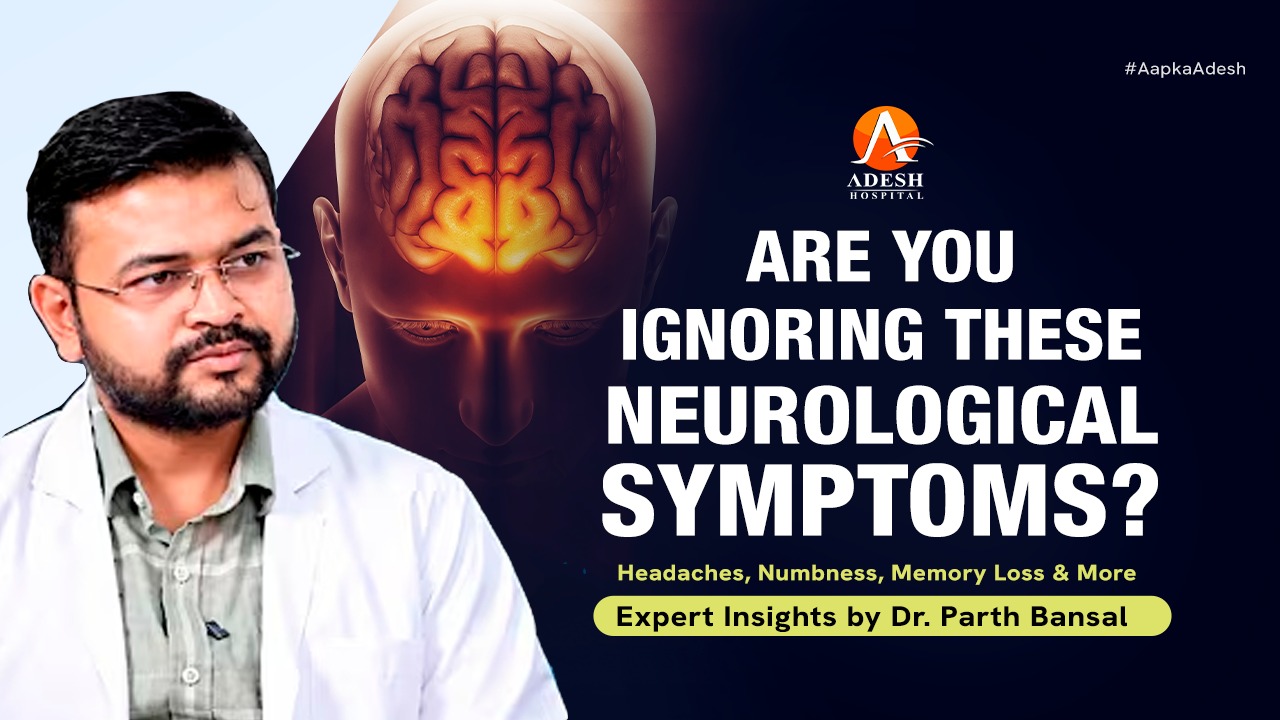
Expert Insights by Dr. Parth Bansal, Consultant Neurologist- Adesh Hospital Haryana
-
Watch the Full Podcast:
-
-
Our brain plays a vital role in controlling movement, memory, speech, emotions and everyday activities. However, neurological symptoms such as frequent headaches, numbness, seizures and memory problems are often overlooked.
In a health awareness podcast by Adesh Hospital Haryana, Dr. Parth Bansal, Consultant Neurologist, discusses common neurological conditions, their early warning signs and the importance of timely diagnosis and appropriate medical care.
Frequent Headaches: When Should You Be Concerned?
Headaches are common and may occur due to stress, inadequate sleep, dehydration or migraine. However, frequent or persistent headaches should not be ignored.
Dr. Bansal explains that excessive use of painkillers can sometimes lead to medication-overuse headaches, where repeated medication use contributes to more frequent headaches. Unsupervised use of certain painkillers may also affect kidney or liver health.
If headaches become more frequent, severe or interfere with daily activities, medical evaluation is important.
Stroke Awareness: Remember, Time Is Brain
A stroke occurs when blood flow to part of the brain is interrupted or bleeding occurs within the brain. Timely medical attention is essential because delays can increase the risk of permanent neurological damage.
Dr. Bansal highlights that strokes can also affect younger individuals, particularly those with risk factors such as high blood pressure, diabetes, smoking and unhealthy lifestyle habits.
Recognise stroke symptoms using the FAST Rule:
- F – Face: Sudden facial drooping.
- A – Arm: Weakness or numbness in one arm.
- S – Speech: Slurred speech or difficulty speaking.
- T – Time: Seek emergency medical care immediately.
Early recognition and emergency treatment can significantly influence stroke outcomes.
Seizures: Knowing the Right First Aid
Seizures occur due to abnormal electrical activity in the brain and may cause involuntary movements, altered awareness or loss of consciousness.
During a seizure, it is important to remain calm and protect the person from injury.
Important seizure first-aid measures include:
- Clear nearby objects that could cause injury.
- Never put anything inside the person’s mouth.
- Do not restrain their movements.
- Time the seizure and turn the person onto their side when safely possible.
- Seek emergency assistance if the seizure lasts five minutes or longer.
Knowing these basic steps can help improve safety during a seizure emergency.
Numbness and Tingling: Understanding Neuropathy
Persistent numbness, tingling or burning sensations in the hands and feet may indicate peripheral neuropathy.
These symptoms can be associated with diabetes, vitamin B12 deficiency, thyroid disorders or other neurological conditions.
Dr. Bansal emphasises that taking supplements without identifying the underlying cause may not address the problem. Proper medical evaluation can help determine the appropriate treatment approach.
Memory Problems, Stress and Parkinson’s Disease
Memory difficulties are not always related to ageing. Stress, poor sleep, anxiety and mental fatigue can affect concentration and memory, including among younger adults.
However, persistent or progressive memory loss may require evaluation to identify possible neurological conditions.
Dr. Bansal also discusses Parkinson’s disease, a neurological disorder that primarily affects movement.
Early symptoms may include tremors, muscle stiffness, slow movements and changes in walking patterns. Timely neurological assessment and appropriate treatment can help manage symptoms and maintain quality of life.
Simple Lifestyle Habits for Better Brain Health
Healthy daily habits can support brain function and help reduce certain neurological risk factors.
Dr. Bansal recommends focusing on:
- Quality Sleep: Aim for approximately 7–9 hours of sleep each night.
- Regular Exercise: Include physical activity such as walking or suitable exercises in your daily routine.
- Balanced Nutrition: Eat fruits, vegetables, whole grains and nutrient-rich foods.
- Stress Management: Practise relaxation techniques and maintain a healthy work-life balance.
- Health Monitoring: Keep diabetes, blood pressure and cholesterol under control with appropriate medical guidance.
Small, consistent lifestyle changes can contribute to long-term brain health.
Neurology Care at Adesh Hospital Haryana
Neurological conditions require appropriate evaluation, accurate diagnosis and individualised treatment.
At Adesh Hospital Haryana, Dr. Parth Bansal, Consultant Neurologist, provides consultation for neurological concerns including headaches, stroke-related symptoms, seizures, neuropathy, memory difficulties and movement disorders.
Recognising warning signs and seeking timely medical attention are important steps towards maintaining neurological well-being.
Dr. Parth Bansal
Assistant ProfessorMBBS, MD Medicine
DM Neurology (DMC, Ludhiana)
Adesh Hospital Haryana📍 Vill. Mohri, NH-44, Shahabad (M), Kurukshetra, Haryana – 136135
📞 0171-2700000 | 74198 68001
🌐 www.adeshhospitalharyana.com
Adesh Hospital Haryana
#AapkaAdesh -
Disclaimer: This content is for general health awareness and does not replace professional medical advice.