-
-
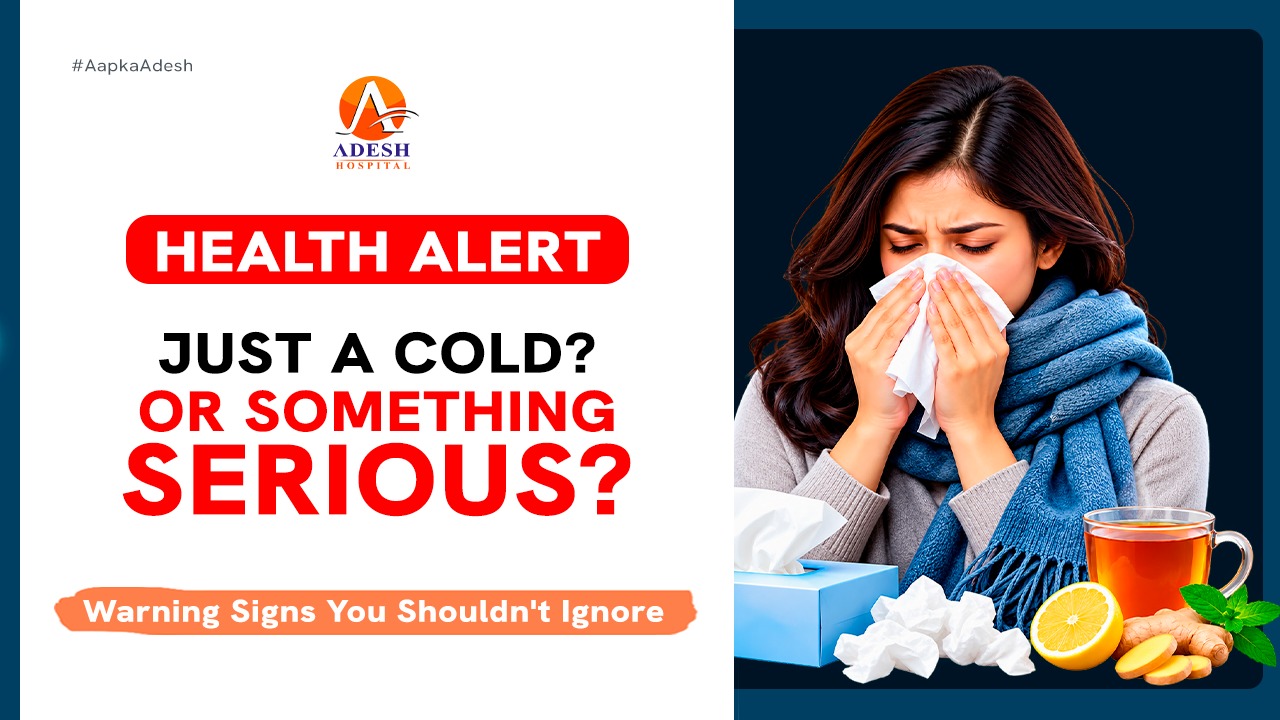
A runny nose, mild fever or sore throat may seem like an ordinary seasonal illness. But how do you know when symptoms need medical attention?
Changes in weather often coincide with an increase in respiratory infections. During October, many people experience symptoms such as coughing, sneezing, nasal congestion, body aches and fatigue.
While several viral respiratory infections resolve with supportive care, some may cause complications, particularly in older adults, young children, pregnant women and people with existing medical conditions.
Understanding the symptoms, practising preventive measures and recognising warning signs can help you make informed decisions about your health.
Is It a Common Cold or the Flu?
The common cold and influenza (flu) are both viral respiratory infections, but they can differ in how symptoms develop and how severely they affect the body.
Common Cold
A common cold generally develops gradually and often causes:
- Runny or blocked nose
- Sneezing
- Sore throat
- Mild cough
- General tiredness
Most people recover with adequate rest, hydration and appropriate supportive care.
Influenza (Flu)
Influenza may develop more suddenly and can cause:
- Fever or chills
- Significant body aches
- Headache
- Cough and sore throat
- Marked fatigue and weakness
Although symptoms may overlap, influenza can sometimes lead to complications such as pneumonia, particularly in people at higher risk.
Important: Symptoms alone may not reliably distinguish a cold, influenza, COVID-19 or other respiratory infections. A medical assessment and testing may be needed in certain cases.
Common Symptoms of Viral Respiratory Infections
Viral respiratory infections can affect people differently. Some experience mild discomfort, while others develop more noticeable symptoms.
Common symptoms include:
- Fever and Body Aches
Fever is part of the body’s immune response to infection. Muscle aches and discomfort may accompany certain viral illnesses.
- Cough or Sore Throat
Inflammation of the respiratory tract can cause throat irritation, coughing and discomfort while swallowing.
- Runny or Blocked Nose
Nasal congestion, sneezing and a runny nose are common symptoms of upper respiratory infections.
- Fatigue and Weakness
Feeling tired or lacking energy can occur as the body responds to an infection.
These symptoms are not specific to a single virus. Their severity, duration and associated warning signs are important when deciding whether medical evaluation is needed.
When Should You Consult a Doctor?
Not every cold or cough requires immediate hospital treatment. However, medical consultation is advisable when symptoms persist, worsen or are accompanied by concerning changes.
Consider seeking medical advice if you experience:
- Fever that persists or returns after initial improvement
- A cough that becomes progressively worse
- Difficulty maintaining adequate fluid intake
- Significant weakness or persistent fatigue
- Symptoms that are not improving as expected
- Worsening of an existing medical condition, such as asthma, diabetes or heart disease
Young children, older adults, pregnant women and people with weakened immunity may need earlier assessment.
Warning Signs That Need Urgent Medical Attention
Seek emergency medical assistance for symptoms such as:
- Severe difficulty breathing
- Persistent chest pain or pressure
- New confusion or difficulty staying awake
- Bluish or greyish lips or skin
- Signs of severe dehydration
- Sudden deterioration after an initial improvement
These symptoms may indicate a serious condition and should not be ignored.
How Can You Protect Yourself Against Viral Infections?
Several everyday habits can help reduce the spread of respiratory infections.
1. Wash Your Hands Regularly
Wash your hands with soap and water for at least 20 seconds, particularly before eating and after coughing, sneezing or touching frequently used surfaces.
When soap and water are unavailable, an alcohol-based hand sanitiser containing at least 60% alcohol can be used.
2. Cover Your Nose and Mouth
Use a tissue or your elbow when coughing or sneezing. Dispose of used tissues properly and clean your hands afterwards.
3. Stay Hydrated and Rest Adequately
Adequate fluids and rest can support recovery from many mild viral illnesses.
4. Avoid Close Contact When Unwell
If you have respiratory symptoms, limit close contact with others where possible. Wearing a well-fitting mask and improving indoor ventilation can help reduce transmission.
5. Keep Recommended Vaccinations Up to Date
Vaccination against influenza and other relevant respiratory infections may help reduce the risk of severe illness. Ask a healthcare professional which vaccinations are appropriate for your age and medical history.
Can Antibiotics Treat Viral Infections?
A common misconception is that antibiotics are necessary whenever someone develops a fever, cough or sore throat.
Antibiotics do not treat viral infections such as the common cold or influenza.
They are used to treat certain bacterial infections and should be taken only when prescribed by a qualified healthcare professional.
Unnecessary antibiotic use can contribute to antimicrobial resistance and may cause avoidable side effects.
Some viral infections, including influenza, may require specific antiviral medicines in selected patients. Treatment decisions depend on the suspected infection, symptom duration, medical history and clinical assessment.
Why Is Medical Evaluation Important?
Because several respiratory infections share similar symptoms, identifying the cause may require a clinical examination and, when appropriate, diagnostic testing.
A doctor may assess:
- Duration and severity of symptoms
- Body temperature and breathing
- Existing health conditions
- Signs of dehydration or respiratory complications
- Whether further investigations or treatment are necessary
The goal is to identify patients who need additional medical care while avoiding unnecessary medicines and investigations.
General Medicine Care at Adesh Hospital Haryana
The General Medicine Department at Adesh Hospital Haryana provides medical evaluation and management for fever, respiratory symptoms and various infectious diseases.
Dr. Divanshee Sharma
MBBS, MD (Medicine)
Assistant Professor – General Medicine
7+ Years of ExperienceMedical consultation can help determine the possible cause of symptoms and guide appropriate investigations, treatment and follow-up based on individual clinical needs.
A Healthy Season Begins with Awareness
A common cold is often mild, but not every respiratory illness follows the same course.
Recognising symptoms, following good hygiene practices, resting adequately and seeking timely medical advice when needed can help reduce complications and protect those around you.
Remember: If symptoms persist, worsen or become severe, seek appropriate medical attention rather than relying on self-medication.
Adesh Hospital Haryana
Together. We. Care.Hospital Contact: 0171-2700000 | +91 74198 68001
Website: www.adeshhospitalharyana.com
Address: NH-44, Village Mohri, Shahabad (M), Kurukshetra, Haryana – 136134#AapkaAdesh
Common Cold or Something More Serious? Know the Warning Signs of Viral Infections
Know the Warning Signs of Viral Infections